


Your child used to seem easy to read. Now every request becomes a fight. Homework ends in yelling. A sibling bumps into them and they explode. You try firmer limits, softer limits, more patience, less screen time, earlier bedtime. Nothing seems to reach the root problem.
Many parents land in my office carrying two worries at once. First, they're concerned about the anger itself. Second, they're asking whether they've missed something deeper. That question matters. In children and teens, anger and depression often travel together, and depression doesn't always look like sadness.
A child who feels hopeless, ashamed, emotionally overwhelmed, or chronically depleted may not cry in front of you. They may slam doors, snap at everyone, refuse school, or seem constantly irritated. If you only treat it like a discipline problem, you can miss the mood problem underneath it.
Parents need a practical plan, not just a label. That means looking at the whole child. Emotional symptoms. Sleep. Exercise. Nutrition. Family stress. School strain. Therapy. Sometimes medication. Usually more than one lever at the same time.
When Anger Is More Than a Bad Mood
A 13-year-old comes home from school, drops the backpack on the floor, and snaps at everyone who speaks. Dinner turns into an argument. Homework ends with a slammed door. By bedtime, parents are left wondering whether this is ordinary irritability, a discipline problem, or a sign that something deeper is wrong.
That question deserves a careful answer.
Children and teens do get moody. They get hungry, overtired, embarrassed, overstimulated, and frustrated. Development also brings more pushback, more privacy, and stronger reactions. A rough week does not automatically mean depression.
What concerns me is a persistent shift in the child's baseline. The anger starts showing up across settings, not just during one conflict. Reactions become bigger than the trigger. The child may seem harder to comfort, less flexible, and less interested in things that used to bring some spark. At that point, anger is no longer just a behavior to correct. It may be a clue that the brain and body are under strain.
Practical rule: If anger is frequent, disproportionate, and shows up alongside withdrawal, low motivation, harsh self-talk, sleep changes, or loss of interest, widen the lens beyond discipline.
Parents often feel guilty when they hear this. They worry they were too strict, too lenient, or too slow to notice. In practice, I find that families do better once they stop asking, “How do we shut this behavior down?” and start asking, “What is driving it?” That shift matters because treatment is different when anger is a symptom of depression, anxiety, burnout, trauma, ADHD, or chronic sleep loss.
It also changes what helps at home. Clear limits still matter. So does warmth. But many children need more than behavior correction alone. They may need therapy, school support, medication in some cases, and daily habits that stabilize the nervous system, including regular meals, movement, sleep protection, and less friction around routines. Parents can learn the signs of depression in children while also paying attention to these day-to-day patterns.
When anger makes no sense on the surface, I encourage families to get curious about what sits underneath it. That is often where treatment starts to work.
Unmasking Depression How It Hides Behind Anger
In children and teens, depression often hides in plain sight. Adults expect tears, isolation, and obvious sadness. Young people often show us something different. They become touchy, easily frustrated, oppositional, or chronically negative.
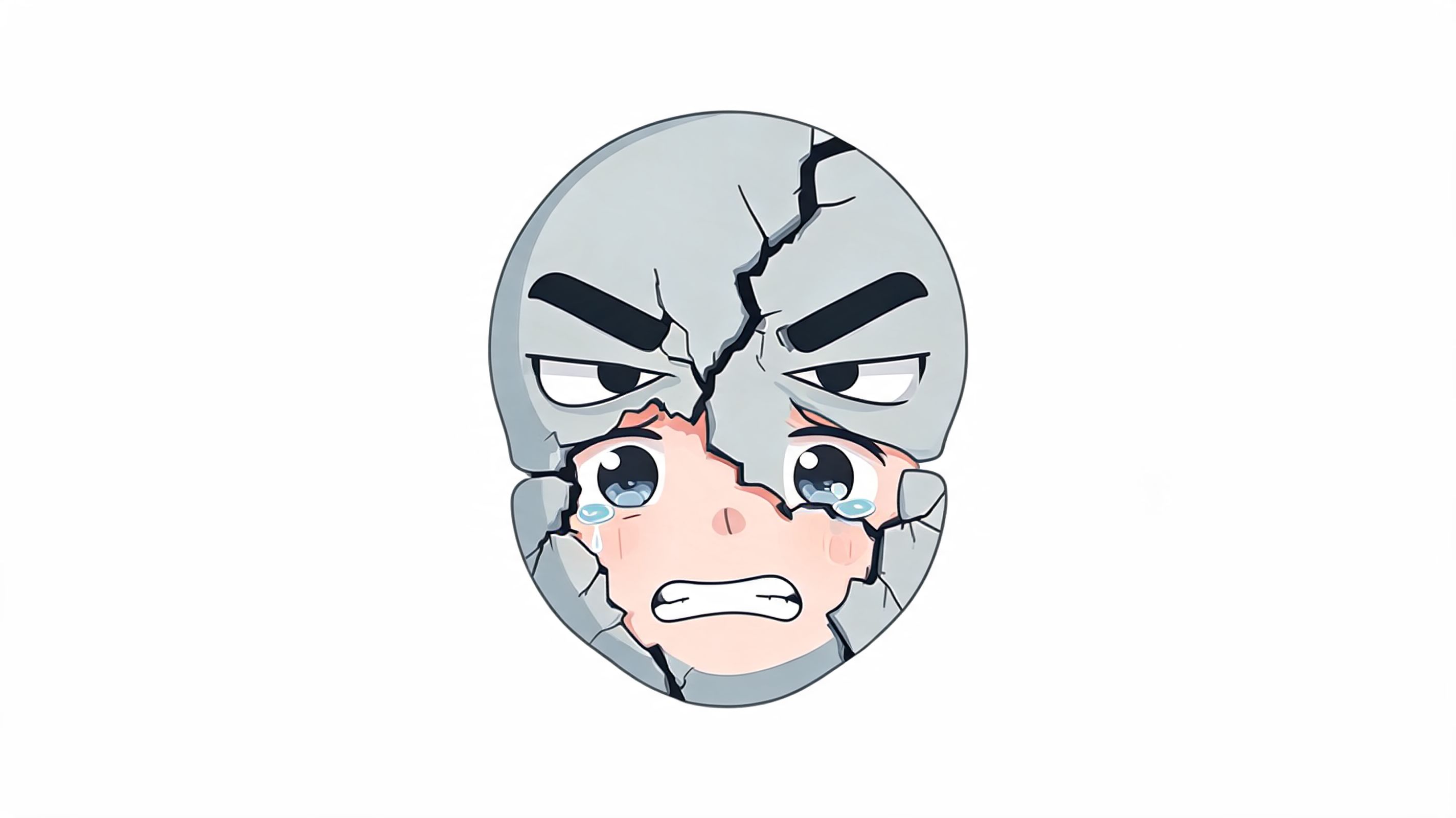
The iceberg problem
I often explain this to parents like an iceberg. Anger is the part above the water. Underneath it may be shame, loneliness, exhaustion, rejection sensitivity, self-criticism, grief, or a sense that nothing feels good anymore.
Young people don't always have the language to say, “I feel empty,” or “I hate myself,” or “I'm overwhelmed all the time.” They may only know they feel on edge. So the emotion that comes out most clearly is irritation.
Clinical reviews note that parents and clinicians can miss depression when a young person presents as irritable or oppositional. In youth, depression commonly looks less like tearfulness and more like irritability and anger, especially in boys and adolescents, as discussed in this clinical review on anger and depression.
What should make you look closer
Ordinary irritability usually has a clear trigger and passes. Depressive irritability tends to linger and spread.
Signs that anger may be masking depression include:
- The mood shift lasts for days or weeks instead of coming and going with one bad afternoon.
- Enjoyment drops off. Your child stops caring about friends, sports, music, hobbies, or family routines they used to like.
- The anger looks brittle. Small disappointments trigger intense reactions.
- Harsh self-talk appears. You hear “I'm stupid,” “Nobody likes me,” or “What's the point?”
- Energy and motivation fall. Everything feels like a battle.
- Sleep and appetite change. Some kids seem wired and tired at the same time.
If you're unsure what depressive symptoms can look like by age, this guide to identifying signs of depression in children can help parents organize what they're noticing before an evaluation.
Anger that protects a child from feeling vulnerable can also block adults from seeing how distressed that child really is.
Getting a Clear Picture The Integrative Assessment
A good evaluation doesn't ask only, “How often is your child angry?” It asks, “What is this anger doing, what sits underneath it, and what else is happening in this child's life?”
That difference matters. The same angry outburst can come from depression, anxiety, ADHD, trauma, family conflict, bullying, sleep loss, substance use, learning struggles, or several of these at once. Effective treatment starts with sorting that out carefully.
What a thorough evaluation includes
A thorough assessment usually gathers information from more than one angle:
- Symptom history: When did the irritability begin, and what changed around that time?
- Setting patterns: Does the anger show up only at home, or also at school and with peers?
- Mood symptoms: Is there withdrawal, hopelessness, guilt, or loss of interest beneath the irritability?
- Stress load: Academic pressure, friendship ruptures, social media conflict, grief, trauma, and family tension all matter.
- Daily functioning: Sleep, appetite, exercise, screen use, routine, and school performance can worsen or buffer symptoms.
Parents bring essential data. Teachers often add another vital piece. Older children and teens sometimes disclose symptoms in private that they never show at home.
For families wondering what this process looks like in practice, this overview of a child mental health assessment lays out the main components clearly.
Why lifestyle belongs in the assessment
An integrative approach doesn't treat food, movement, or routine as side notes. These factors affect emotion regulation every day. A teen who sleeps too little, skips breakfast, lives on energy drinks, rarely exercises, and spends most evenings in conflict online will usually have a lower frustration threshold.
That doesn't mean lifestyle is the whole cause. It means lifestyle can amplify the problem.
A careful assessment should ask about:
| Area | What clinicians look for |
|---|---|
| Sleep | Irregular schedule, late-night screen use, trouble falling asleep, unrestful sleep |
| Nutrition | Skipped meals, highly processed eating patterns, low protein intake, restrictive eating |
| Movement | Sedentary routines, loss of sports participation, low daytime activity |
| Family climate | Escalating arguments, inconsistent limits, high criticism, caregiver stress |
| Comorbid concerns | ADHD, anxiety, OCD traits, learning issues, trauma reactions |
The parent's role
Parents don't need to arrive with a diagnosis. They do help when they bring observations instead of interpretations. “He yells whenever homework starts and then says he's stupid” is more useful than “He's manipulative.” “She seems flat all weekend and explodes at minor requests” is more useful than “She's lazy.”
That kind of detail helps clinicians separate a behavior problem from a mood problem, and often from both.
Evidence-Based Clinical Treatments That Help
When anger is part of depression, treatment works best when it addresses both the mood state and the anger pattern. Trying to force better behavior without treating the depression usually fails. So does relying on one tool when the child needs several.
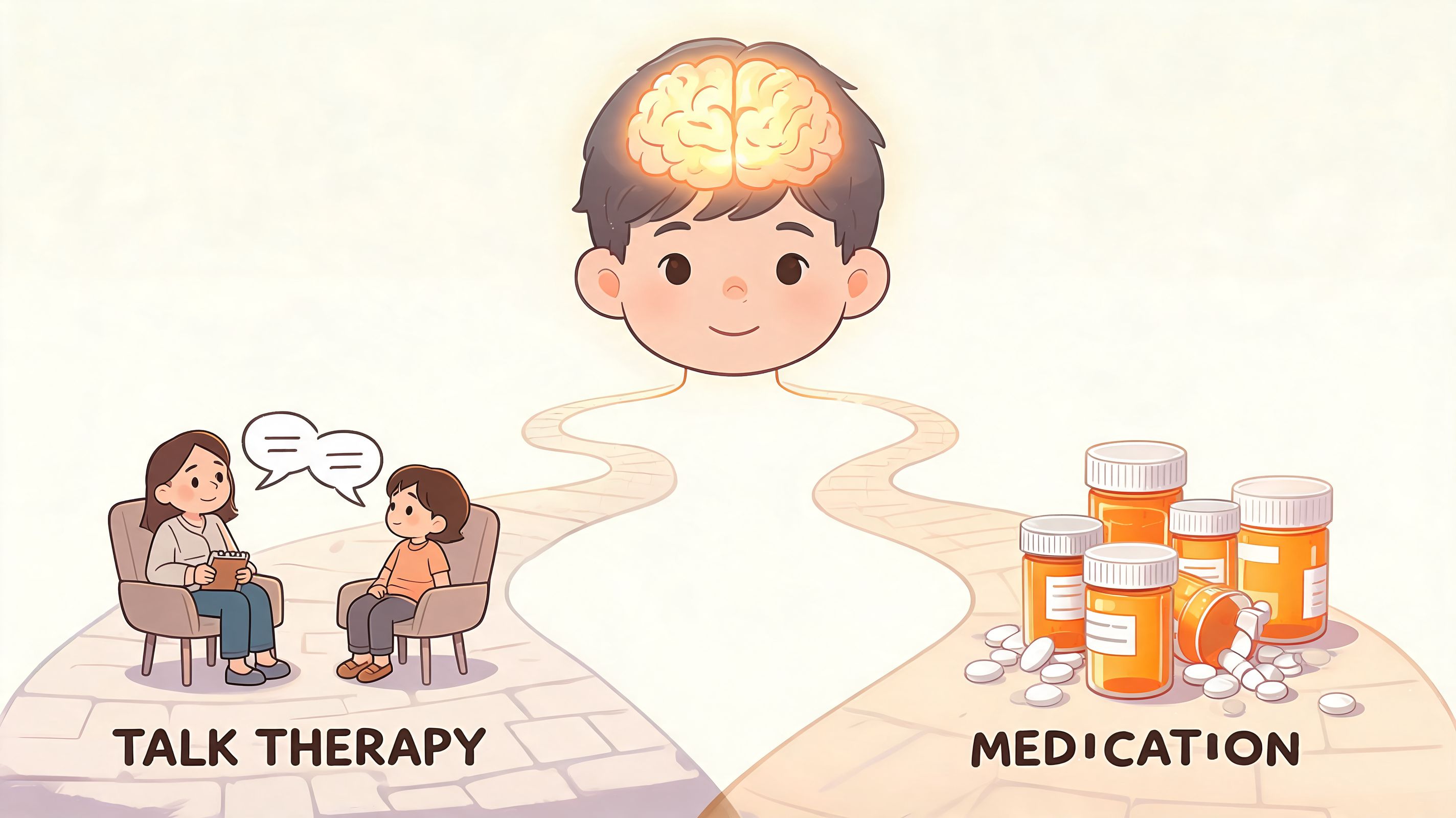
Psychotherapy helps the child build skills
Cognitive-Behavioral Therapy, or CBT, is one of the most useful treatments when irritability and anger sit inside a depressive picture. CBT helps children and teens notice triggers, identify the thoughts that escalate anger, practice more flexible responses, and build routines that improve mood. A case-based report summarized in Healthline also noted that anger symptoms improved substantially only after CBT was added to medication in a depressed patient with anger outbursts. The same summary cites meta-analytic evidence that CBT has a large effect size of about 0.7 for anger management, according to Healthline's review of depression and anger.
That matters clinically. Medication may reduce core depressive symptoms while anger dysregulation still lingers. Therapy often addresses the piece that medication alone doesn't fully solve.
For teens, CBT often includes:
- Trigger mapping: noticing what happens before the explosion
- Thought work: challenging “Nobody respects me” or “I always fail”
- Body regulation: breathing, pacing, sensory resets, and leaving conflict safely
- Behavioral activation: rebuilding healthy routines and reintroducing rewarding activities
Families can learn more about CBT for teenage depression, especially when irritability is part of the presentation.
Family work often changes the whole trajectory
Children don't recover in isolation. Family therapy or parent-focused work can reduce criticism, improve repair after conflict, and help adults respond without unintentionally escalating the cycle.
Structure matters here. Parent management strategies, collaborative problem solving, and clear routines often work better than repeated lectures or venting sessions. Families trying to make sense of multi-part care often benefit from examples of understanding complex health plans, especially when treatment includes therapy, school supports, behavior strategies, and follow-up visits.
Here's a useful rule. “Let it all out” isn't the same as learning regulation. Rehearsing anger can strengthen it. Naming anger, slowing it, and channeling it safely is different.
A brief educational resource may also help some families talk through options at home:
How medication can fit into treatment
Psychotropic medications can be an important part of care when depression is moderate to severe, persistent, or blocking the child's ability to engage in therapy and daily life. In child psychiatry, antidepressants are often used to support the brain systems involved in mood regulation, anxiety control, stress response, and emotional flexibility.
Parents often ask what medication is supposed to do. A helpful answer is that it can make the brain less stuck. When treatment is working, some children become less irritable, less overwhelmed, more able to think before reacting, and more available for school, family, sleep, and therapy.
Medication isn't a replacement for skill-building. It can create the conditions that make skill-building possible.
In California, some families use telehealth psychiatry through providers such as Children Psych for evaluation, therapy, and medication management when travel, school schedules, or local access make in-person care harder.
Fueling a Healthier Brain Diet and Nutrition Strategies
A common scene at home looks like this. A child comes in from school already on edge, grabs chips or sweets, skips water, then melts down over homework an hour later. Parents often read that as defiance. In practice, I often see a brain that is already stressed and running on inconsistent fuel.
Food does not treat depression on its own. It does affect energy, concentration, sleep, and frustration tolerance. For children and teens who show depression through irritability or anger, nutrition is one part of an integrative plan that works alongside therapy, school supports, and, when needed, medication.
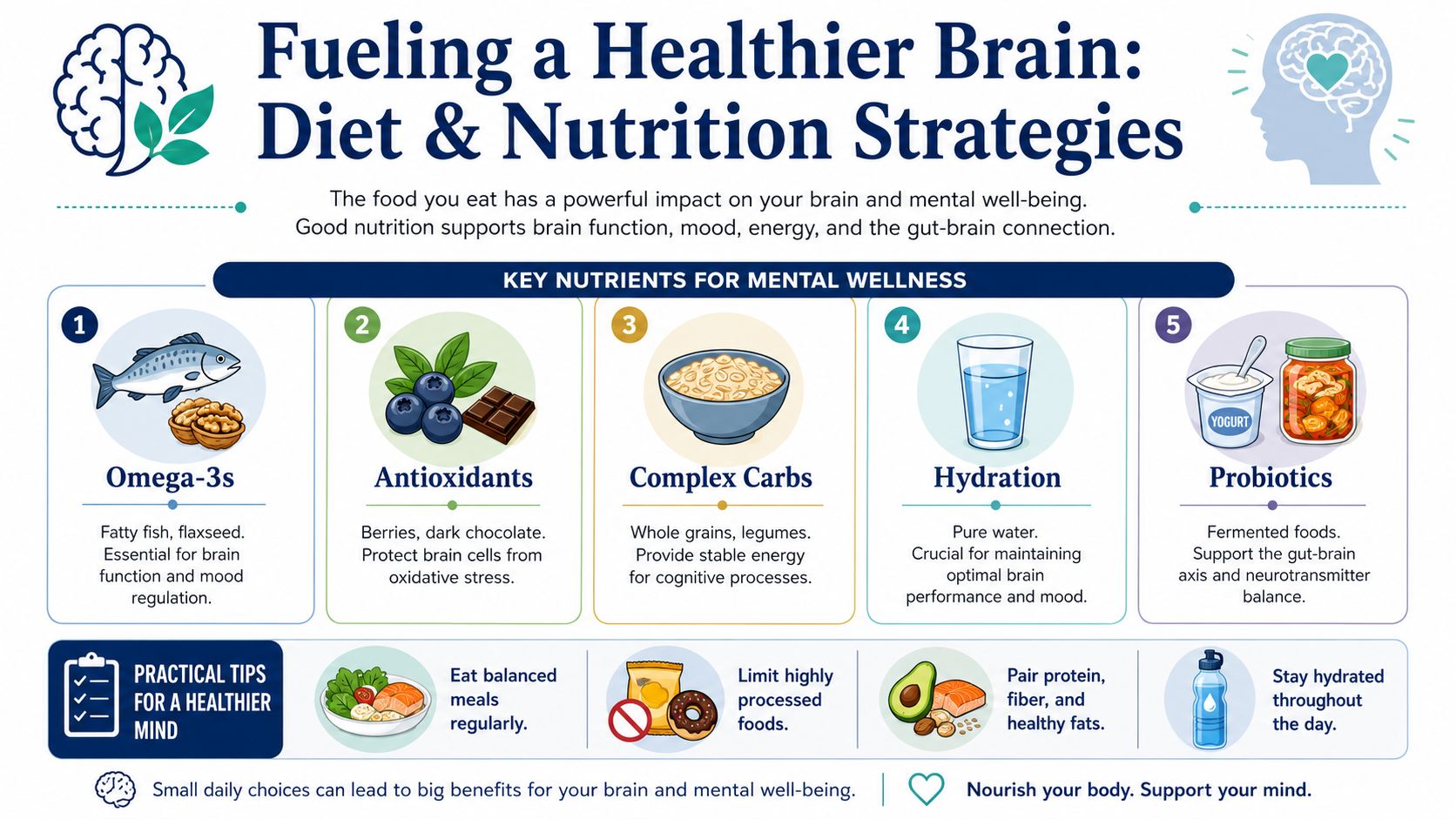
Parents usually do better with a few repeatable changes than with a perfect food plan that collapses in three days. The goal is a steadier baseline. Better fuel can make it easier for a child to use coping skills, tolerate frustration, and recover from stress.
Foods that support steadier mood
Start with patterns that reduce blood sugar swings and long gaps without food.
- Protein early in the day: eggs, Greek yogurt, peanut butter, tofu, beans, or cheese can help reduce the late-morning crash that often shows up as irritability.
- Complex carbohydrates: oats, brown rice, whole grain toast, lentils, and potatoes tend to support steadier energy than a cycle of sugary snacks.
- Healthy fats: nuts, seeds, olive oil, avocado, canned salmon, and sardines support brain cell structure and function.
- Colorful produce: frozen berries, carrots, apples, spinach, and cabbage are practical, lower-cost ways to add fiber and antioxidants.
- Reliable hydration: some irritable kids are underhydrated and do not notice it until they feel lousy.
For busy families, systems usually work better than ambitious recipes. A simple rotation of two breakfasts, two lunches, and a few dependable snacks often lowers stress at home. If you want help organizing that routine, this Meal Flow AI meal prep guide offers realistic ideas for anti-inflammatory meal planning.
Nutrients parents often ask about
I am careful with supplements. Natural does not always mean safe, and quality varies a lot between brands. Still, a few nutrients come up often because families want practical options they can discuss with their pediatrician or psychiatrist.
Omega-3s
Omega-3 fats are involved in cell membrane function and signaling in the brain. Food first is a reasonable approach for many families. Canned salmon, sardines, tuna, walnuts, chia seeds, and ground flaxseed are affordable places to start.
If a family is considering a supplement, I suggest checking a few basics before buying anything:
| Question | Why it matters |
|---|---|
| Does the label clearly list EPA and DHA? | These are the omega-3 components you want to identify clearly |
| Is there third-party testing or purity information? | Quality control matters for contaminants and label accuracy |
| Is the dose format realistic for your child? | A supplement only helps if the child can take it consistently |
| Does it fit the family budget? | Steady use matters more than buying an expensive product once |
Liquid forms can work well for younger children, but taste can become the whole battle. Gummies may be easier to accept, though they do not always provide much EPA or DHA. Softgels often work for teens who can swallow pills.
Other nutrients worth discussing with a clinician
Parents also ask about magnesium, zinc, iron, vitamin D, and B vitamins. Low intake or deficiency can overlap with fatigue, poor concentration, low mood, and irritability. That does not mean every angry child needs lab work or supplements. It does mean restrictive eating, very limited food variety, heavy menstrual periods, skipped meals, or ongoing medical problems deserve a closer look with a pediatrician.
A food-first plan usually helps more than a shelf full of supplements.
Eating patterns that quietly make mood harder to manage
Some habits increase strain on a child who is already struggling with depression and anger:
- Skipping breakfast or lunch, then overeating later in the day
- Using caffeine to get through exhaustion
- Relying on highly processed snack foods because they are fast and familiar
- Turning meals into conflict
- Trying restrictive diets without medical guidance
I usually tell parents to aim for one stable breakfast and one balanced after-school snack before trying to overhaul the whole kitchen. That smaller change is often realistic, and realistic changes are the ones that last.
Regular meals, enough protein, more fiber, healthy fats, and hydration give the brain a steadier foundation. That does not replace clinical care. It supports it.
Any supplement decision should be discussed with a qualified healthcare professional, especially if your child takes psychiatric medication or has other medical conditions.
Building Resilience with Brain-Healthy Habits
Exercise is one of the most practical brain-health tools families have. It helps with stress release, emotional regulation, sleep quality, and confidence. For many kids, movement also provides something anger steals from them. A safe, nonverbal way to shift state.
A study of outpatients with depression and healthy controls found that trait anger mediated the effect of life events on depression, and that anger expression moderated the pathway from life stress to depressive symptoms, as described in this study on trait anger and depression. That supports a practical takeaway. Habits that lower stress reactivity and improve how a child expresses anger are not extras. They're part of treatment.
Start with movement that feels possible
Parents often think exercise only counts if it's organized sports or a gym routine. That mindset loses a lot of kids fast.
Better options include:
- Family walks after dinner: simple, free, and often the easiest place for conversation
- Music plus movement at home: dancing, jump rope, hallway races, mini circuits
- Individual sports: swimming, martial arts, biking, climbing, skating
- Short bursts: ten minutes before homework can lower tension more than another lecture
If your teen feels intimidated by fitness spaces, resources on overcoming gym anxiety from Zing Coach can help normalize that barrier and offer easier entry points.
The daily habits that lower emotional friction
Mood regulation usually improves when the household gets more predictable. Not rigid. Predictable.
Try this short framework:
Protect sleep timing
A child who goes to bed and wakes up at wildly different times often becomes more emotionally fragile. Start by stabilizing wake time first.Create a decompression window after school
Many conflicts happen in the first hour home. Offer a snack, brief quiet time, and movement before homework demands begin.Reduce overstimulation at night
Fast-cut videos, gaming conflict, and social comparison can keep the nervous system activated.Teach one calm-down skill and practice it when things are calm
Deep breathing, cold water on the face, stretching, squeezing a pillow, paced walking, or listening to one specific playlist can all work.
Some children can't access words when they're escalated. They need a rehearsed routine more than a reasoning session.
What doesn't work well
Several habits backfire consistently:
- Interrogating a child mid-meltdown
- Using screens as the only coping tool
- Expecting insight during peak anger
- Punishing every symptom as if it were deliberate defiance
- Letting the entire family revolve around avoiding the next explosion
The target is regulation, not just compliance. A child who sleeps better, moves more, eats more consistently, and practices one reliable stress skill is often easier to help in every other part of treatment.
Your Next Steps A Parent's Action Plan
If you think anger may be covering depression, start small and stay concrete. Pick a calm moment and say what you see without accusation. “You seem stressed and angry a lot lately, and I'm wondering if you're also feeling down.” Many kids will deny it at first. That's okay. The point is to open the door.
Then gather observations. Write down when the anger happens, how long it lasts, what precedes it, what helps, and whether you're seeing sleep changes, withdrawal, falling grades, or negative self-talk. Patterns are more useful than isolated incidents.
A practical sequence for parents
- Talk with your child briefly and calmly. Don't force a big emotional conversation at bedtime or during a fight.
- Inform the school if functioning is slipping. Teachers, counselors, and school staff may notice withdrawal, irritability, or academic changes.
- Schedule a mental health evaluation if symptoms are persistent, disruptive, or affecting safety.
- Ask about therapy options that fit the pattern. CBT for irritability, family therapy, and parent management support often help more than telling a child to “release” anger.
- Discuss medication and supplements with a healthcare professional. Families deserve guidance that considers the full picture.
Evidence supports a nuanced treatment approach. Interventions such as parent management training and CBT for irritability are more useful than encouraging a child to vent anger, as noted in this discussion of introjected anger, resentment, and treatment questions.
Seek urgent professional help right away if your child talks about wanting to die, harming themselves, harming others, or seems unable to stay safe.
This article is for education only. It isn't intended to diagnose or treat any medical condition. Decisions about medications, supplements, or treatment changes should be made with a qualified healthcare professional who knows your child's history.
If you're looking for child and adolescent psychiatric support in California, Children Psych provides evaluations, therapy, medication management, and telehealth care for families concerned about depression, irritability, anger, anxiety, and related challenges.